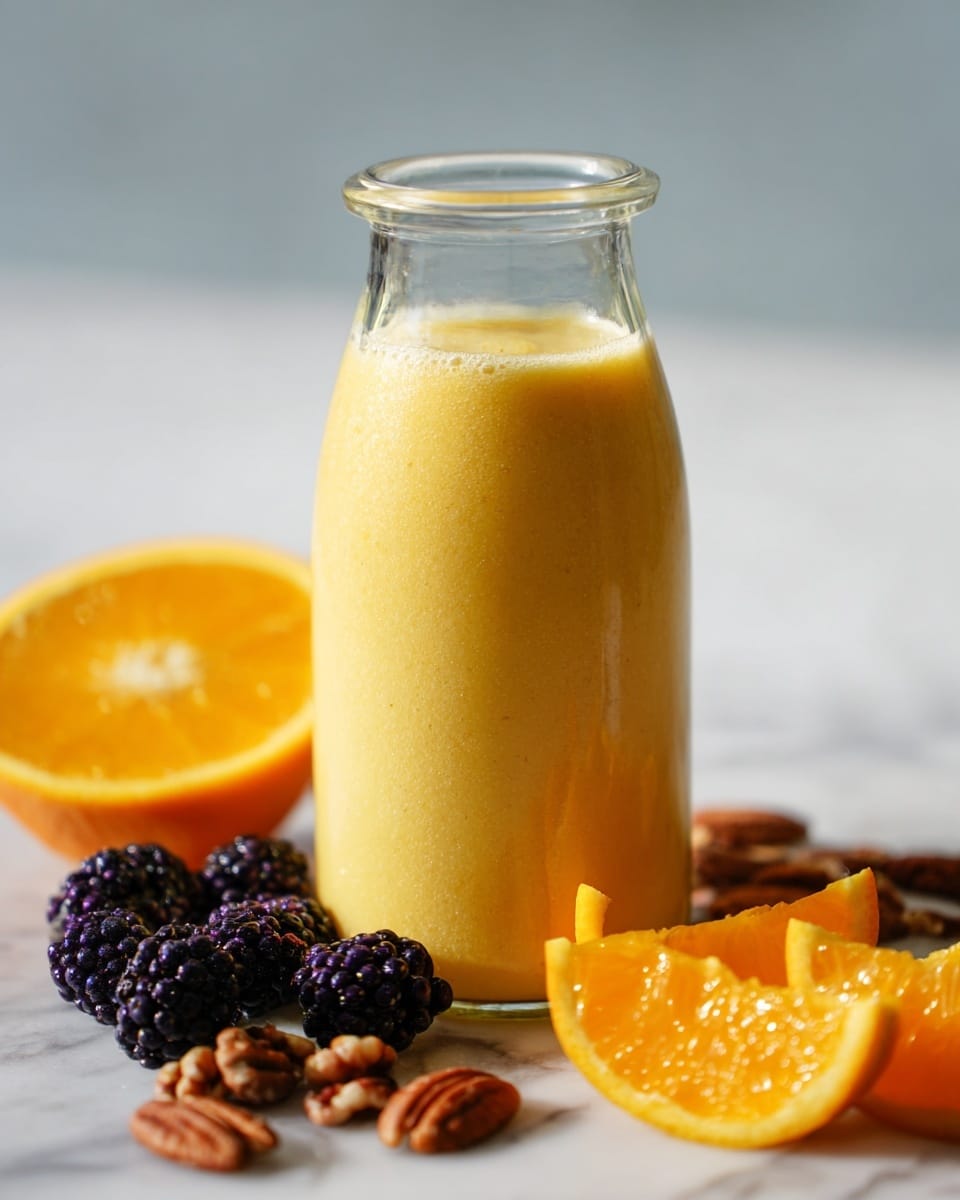
Beyond the Zest: Why a Sweet Orange Vinaigrette Stands Out
In the vast culinary landscape of salad dressings, lemon often takes center stage. We're accustomed to a delightful array of lemon-infused concoctions, from bright honey-lemon to zesty lemon-herb and the ever-popular lemon-garlic-Parmesan Sensation. Lime, apple, and strawberry dressings also frequently grace our tables, offering their own unique charm. Yet, despite the popularity of these fruit-forward options, a truly definitive, explosively flavored sweet orange vinaigrette often remains an elusive gem.
For too long, many have searched for a dressing that doesn't just hint at citrus, but proudly screams, "I taste like oranges!" The challenge lies in creating a blend that offers genuine orange essence without feeling like a simple splash of juice on your greens. What's needed is a vinaigrette with enough dimension—a harmonious interplay of sweet, tangy, and subtly spicy notes—to elevate any dish, making it undeniably orange yet sophisticated. This quest leads us to the masterful art of crafting your own sweet orange vinaigrette, a secret weapon that promises to transform ordinary meals into extraordinary culinary experiences.
The Allure of an Orange-Centric Dressing
Why this particular craving for orange? Oranges offer a unique sweetness and a delicate acidity distinct from their citrus cousins. A well-made sweet orange vinaigrette can cut through richness, complement fresh greens, and brighten an otherwise simple plate. It's about achieving a balance where the orange flavor is both prominent and nuanced, providing a refreshing lift that other dressings simply can't replicate. It's this balance and the promise of a vibrant, fresh taste that makes learning to master this vinaigrette so rewarding.
Crafting Your Perfect Sweet Orange Vinaigrette: Essential Ingredients
The foundation of any exceptional vinaigrette lies in its ingredients. For a sweet orange vinaigrette that delivers on its promise of explosive flavor, quality and careful selection are paramount. While the basic components might seem straightforward, subtle choices can dramatically impact the final taste and texture.
The Orange Element: Fresh Juice vs. Concentrate
At the heart of our vinaigrette is, naturally, the orange. Here, you have a crucial decision:
- Fresh Navel Oranges: Opt for two medium, juicy navel oranges. A good indicator of juiciness is thinner, less spongy skin. Freshly squeezed juice offers unparalleled brightness and a delicate, natural sweetness. You can even incorporate a touch of zest for an extra aromatic kick.
- Frozen Orange Juice Concentrate: This might surprise some, but many culinary enthusiasts swear by frozen concentrate as a "secret ingredient." It delivers a more intense orange flavor and, crucially, a thicker consistency than regular juice, contributing to a more luxurious body for your vinaigrette. The beauty of concentrate is its availability and ease of use—it doesn't freeze solid, allowing you to scoop out what you need and store the rest for future use, whether for dressings, scones, or slow-roasted pork.
Our tip: Experiment! Start with fresh for a bright, delicate flavor. If you desire a bolder, thicker vinaigrette, try the concentrate. You might find yourself preferring one for salads and the other for marinades.
The Acid: Organic Apple Cider Vinegar
For the necessary tang, organic apple cider vinegar (ACV) is highly recommended. Look for the "murky stuff" – meaning unpasteurized, unfiltered ACV with the "mother." This type of vinegar is rich in beneficial enzymes and has a more complex, mellow acidity that complements the orange beautifully, avoiding the harshness some distilled vinegars might impart. It plays a vital role in balancing the sweetness of the orange and honey.
The Sweetener: Honey
A dollop of honey contributes to the "sweet" in sweet orange vinaigrette. It offers a more complex sweetness than granulated sugar and also helps emulsify the dressing, creating a smoother texture. Adjust the amount to your personal preference for sweetness.
Aromatics & Spices: Garlic, Dijon, Salt & Pepper, and a Hint of Heat
- Garlic: A single clove of finely minced fresh garlic makes a significant difference. It provides a pungent, savory counterpoint that adds depth and sophistication, preventing the dressing from being one-dimensional.
- Dijon Mustard: A small dollop of Dijon mustard is a classic vinaigrette ingredient. Beyond its subtle spicy kick, Dijon acts as an emulsifier, helping the oil and vinegar (and juice) bind together into a cohesive, creamy dressing rather than separating.
- Salt and Freshly Ground Black Pepper: These are non-negotiables for seasoning. They enhance all the other flavors, bringing them into sharp focus. Always taste and adjust.
- Crushed Red Pepper (Optional): For those who enjoy a little extra zing, a pinch of crushed red pepper can introduce a delightful warmth and subtle spice, elevating the flavor profile even further.
The Oil: Neutral Vegetable Oil or Olive Oil
Finally, a neutral-flavored vegetable oil forms the base. Peanut oil is often preferred for its mild taste that doesn't compete with the orange. Alternatively, a good quality extra virgin olive oil can be used, but be mindful of its more pronounced flavor, which can alter the overall balance. Choose an oil that allows the vibrant orange and other ingredients to shine.
Mastering the Blend: Tips for an Unforgettable Vinaigrette
Having the right ingredients is half the battle; the other half is bringing them together harmoniously. Making your own sweet orange vinaigrette is surprisingly simple, yet a few techniques can ensure explosive flavor every time.
The Art of Emulsification
Whether you're whisking by hand or using a blender, achieving a smooth, well-emulsified vinaigrette is key.
- Combine Non-Oil Ingredients: Start by whisking together the orange juice (or concentrate), apple cider vinegar, honey, minced garlic, Dijon mustard, salt, pepper, and optional crushed red pepper. This allows these flavors to meld.
- Slowly Drizzle in Oil: While continuously whisking vigorously (or with the blender running on low), slowly drizzle in your chosen oil. This gradual addition is crucial for creating a stable emulsion, preventing the dressing from separating quickly.
- Taste and Adjust: This is perhaps the most important step. Taste your vinaigrette and adjust as needed. Does it need more sweetness? A touch more tang? A pinch more salt? Don't be afraid to customize!
Pro Tips for Peak Flavor and Consistency
- Freshness Factor: Always use fresh garlic and freshly squeezed orange juice for the best results. The difference is palpable.
- Let it Mingle: While delicious immediately, allowing the vinaigrette to sit for 15-30 minutes at room temperature before serving lets the flavors fully meld and deepen.
- Storage Savvy: Store your homemade sweet orange vinaigrette in an airtight container in the refrigerator for up to a week. If it separates, simply give it a good shake or re-whisk before serving.
- Temperature Matters: For optimal flavor, bring the vinaigrette to room temperature for about 10-15 minutes before drizzling over your dish. Cold dressing can mute flavors.
For a detailed guide, check out our Easy Sweet Orange Vinaigrette Recipe: Fresh, Bright & Versatile.
More Than Just a Salad Dressing: Unleashing Versatility
The beauty of a perfectly crafted sweet orange vinaigrette extends far beyond the salad bowl. Its vibrant, balanced profile makes it incredibly versatile, capable of elevating a multitude of dishes and truly proving Why Homemade Orange Vinaigrette Tops Store-Bought for Any Meal.
Salad Sensations
While the obvious choice, specific salad pairings truly let this vinaigrette shine:
- Greens: It's a match made in heaven for simple baby spinach or peppery arugula. The vinaigrette's sweetness and tang beautifully complement the greens' earthy or bitter notes.
- Cheeses: Drizzle it over creamy, tangy goat cheese or salty feta in your salad. The contrast is divine.
- Fruits & Nuts: Juxtapose with fresh, juicy berries (strawberries, blueberries, raspberries) and crunchy, salty nuts (pecans, walnuts, pistachios) for a truly dynamic texture and flavor experience.
- Root Vegetables: Roasting carrots or beets and tossing them with this vinaigrette adds an unexpected brightness.
Marinades and Glazes
The acidic and sweet components of this vinaigrette make it an excellent marinade. It tenderizes and infuses incredible flavor into:
- Poultry: Marinate chicken breasts or thighs for a few hours before grilling or baking.
- Pork: It works wonders as a marinade for pork tenderloin or chops, adding a zesty, sweet note.
- Fish: A lighter marinade for white fish like cod or tilapia, imparting a fresh citrusy flavor.
Beyond the Expected
Don't limit yourself! Think outside the box:
- Roasted Vegetables: Toss roasted broccoli, asparagus, or bell peppers with the vinaigrette post-roasting for a burst of fresh flavor.
- Grain Bowls: Drizzle over quinoa, farro, or couscous bowls with roasted veggies and protein.
- Scones and Baked Goods: A whisper of orange concentrate, inspired by the vinaigrette's base, can infuse your baked goods like cranberry orange scones with extraordinary flavor.
- Slow Cooker Dishes: Some chefs even incorporate elements of orange vinaigrette into slow-roasted pork recipes, demonstrating its depth and versatility in savory applications.
Conclusion
Mastering a sweet orange vinaigrette is more than just learning a new recipe; it's about unlocking a world of explosive flavor and culinary versatility. From its vibrant, definitive orange essence to its harmonious balance of sweet, tangy, and savory notes, this homemade dressing offers a depth and freshness that store-bought alternatives simply cannot match. Whether you're dressing a simple green salad, marinating poultry, or elevating roasted vegetables, this vinaigrette proves that simple ingredients, thoughtfully combined, can yield truly extraordinary results. Embrace the joy of crafting your own—your taste buds will thank you.
